
Share this
by PORT on Nov 5, 2026, 10:53:17 AM
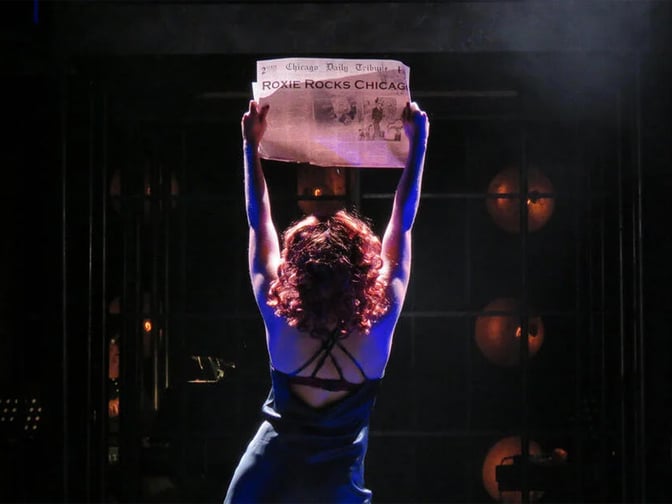
Theatrical lighting does more than illuminate a stage. It helps tell a story, establish an atmosphere, and influence how audiences experience a performance. From subtle shifts in color to dramatic lighting changes, theatrical lighting designers use color to bring scenes and characters to life. In this blog, we'll explore the role of color in theatrical lighting design, how different colors influence audience perception, and how modern lighting technology gives designers more creative flexibility than ever before.
Color as a Design Tool
Lighting in a theatrical production might not be something an audience consciously thinks about or even notices. However, it has a significant impact on the overall aesthetics and emotions of a performance. The use of color in theatrical lighting can completely change how a scene or character is portrayed. Much like painting, theatrical lighting design involves carefully layering different elements to create depth, dimension, and meaning.
1. First, lighting should address the basic needs of the production. For example, this would be making sure that those on stage are properly illuminated. Can audience members in the back of the theater clearly see the performance?
2. Once the basic lighting needs are met, then you can focus on using lighting to set the scene. Consider how lighting can be adjusted to establish the time of day or location.
3. Depending on the capabilities of the lighting system, this is where it is possible to change the lighting in order to influence how the audience feels and where their attention is directed.
Color choices should complement the scenery, costumes, makeup, and performers' skin tones. With scenery, colored lighting can bring out subtle complementary colors that might otherwise go unnoticed. UV-reactive underpainting can even reveal entirely different scenic details under specific lighting conditions. Lighting can also create the illusion of sunlight entering through a window or doorway or help establish an outdoor setting. Gobos are particularly effective at creating the appearance of textures and patterns on stage.
When it comes to costumes, theatrical lighting can enhance or deliberately diminish their appearance. For example, jewel-toned velvet may lose its luster when illuminated with the same color, while highlights, shadows, and complementary tones can help reveal its texture. Lighting designers must also consider how their choices affect makeup and skin tones, avoiding colors that make performers appear unintentionally sickly or washed out unless that is the desired effect.

Color, Emotion, and Audience Perception
One of the most powerful aspects of theatrical lighting is its ability to influence an audience's response before viewers consciously identify what has been changed. For example, in The Glass Menagerie, Laura’s illness can be reinforced with a faint green-tinted area of light that follows her to the places where she pauses. Combined with high downlight, this subtly makes her appear unwell, contrasting with the warmer light used for the rest of the living-room scene. In this way, lighting works alongside costumes, makeup, and performance to subtly communicate a character's physical or emotional state.
Unlike film, where cameras can use close-ups and changing shots to direct attention, theatrical lighting must guide the audience's focus within a live setting. A brightly illuminated performer can attract attention even when another character is speaking; the light can then return focus to the speaker. Lighting can also help establish a character's personality or emotional state : shadows may contribute to an impression of evil, while soft, warm light can make a generous or buoyant character feel welcoming. Fading one person down while bringing another up can redirect attention without the audience noticing the manipulation. The timing and movement of lighting changes are equally important. A quick lighting change can immediately draw the audience's eye, while a gradual fade may go almost unnoticed.
In concert lighting, the designer can act almost like an additional member of the band, translating the music's emotional character into a visual experience. Listening to tracks in advance, speaking with the band, or observing soundchecks helps designers identify upbeat, sad, angry, or mellow moments and prepare appropriate lighting effects. Concert lighting typically follows one of two approaches: reflecting the emotional meaning of the music or responding to its rhythm and beat. Neither approach is necessarily superior, but each creates a different experience. Flashy effects that don't complement the melody or mood can feel disconnected from the performance.

Color Psychology and Stage Lighting
Color is one of the most powerful tools in theatrical lighting design, helping establish mood, communicate emotion, and guide the audience through a story. From the warmth of a sunset to the cool isolation of moonlight, different colors can completely transform how a scene is perceived. Understanding how colors interact with one another, the set, and the performers allows lighting designers to create intentional, emotionally engaging environments.
Red: Red is often associated with intense emotions such as passion, lust, hatred, and anger. It can also represent natural elements like sunrises and sunsets or create a sense of warmth and comfort when used to imitate dim firelight. Softer reds can evoke the feeling of dying embers, suggesting the last remaining warmth and protection of a fire.
Orange: Orange can evoke heightened emotions, excitement, energy, and wakefulness. It is frequently used to represent early morning or late afternoon sunlight, particularly as an accent color. Warmer orange tones can also imitate practical light sources such as interior lamps, torches, and firelight.
Yellow/Amber: Yellow and amber are commonly associated with daylight, warmth, and heightened attention. Bold tones can represent direct sunlight or sunlight filtering through trees, while softer tints can mimic interior lamps, torches, and firelight. Subtle amber tones also work well as front lighting during daytime scenes or as gentle illumination in nighttime settings.
Green: Green is often associated with nature, growth, and sunlight filtering through leaves. However, brighter, more saturated greens can suggest greed, wealth, or excess, while subtle green tints can create the appearance of sickness or discomfort. Designers may also incorporate a reference green into the lighting or scenery to help prevent amber and light blue tones from appearing green as the audience's eyes adjust to the lighting.
Blue: Blue is commonly used to convey calmness, isolation, concealment, and nighttime environments. Bright blue-white tones can represent early morning daylight or icy moonlight, while deeper blues and blue-purple shades can recreate the fading light after sunset. Subtle blue tones are also effective for nighttime front lighting or creating natural-looking shadows during daytime scenes.
Purple: Purple is often associated with richness, intensity, and excitement. Its bold appearance can add drama to a scene, while its ability to complement red and blue lighting makes it especially useful for creating contrast and visual depth.
Pink: Pink is commonly associated with love, joy, youth, health, and happiness. Beyond its emotional associations, subtle pink lighting can also enhance the appearance of performers by adding warmth to skin tones. For example, a light pink tint on a podium speaker can help prevent individuals with red hair and fair complexions from appearing overly pale.
Lavender: Lavender is a versatile color that can appear either warm or cool depending on the surrounding lighting. When paired with soft amber, it can create a gentle, inviting atmosphere. In contrast, combining lavender with soft blue can produce a sharper, more striking effect, adding contrast and dimension to a scene.
While certain colors are commonly associated with specific emotions, their impact can change depending on the context of the scene, the intensity of the light, and the surrounding colors. A deep red might communicate anger in one production but warmth or romance in another. Understanding these differences allows lighting designers to use color more intentionally and create a stronger connection between the performance and the audience.
LED Technology and Color
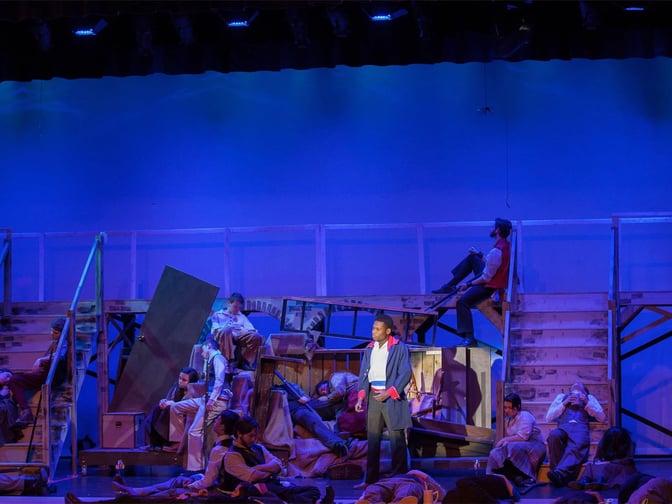
The introduction of LED technology has significantly expanded the creative possibilities of theatrical lighting. Before LEDs became widely used, incandescent fixtures typically relied on color gels to filter light, generally limiting each fixture to one color at a time. Incandescent output also shifted as intensity changed, appearing warmer and more reddish-yellow at lower intensities and whiter at higher intensities. Designers could layer light from a small number of differently colored fixtures to produce highlights and shadows, but the available color palette was more limited.
LED fixtures use additive color mixing. By combining red, green, blue, and in some fixtures, white, amber, deeper red or blue, or ultraviolet emitters, designers can produce a broader, more adaptable spectrum. Different LED mixes can create similar apparent colors while rendering skin tones differently. For example, adding a little red beneath an amber look can help an actor’s skin appear healthier; a deliberately sickly look can be created when appropriate to the story. The degree of individual control depends on the number and placement of fixtures. A stage lit with only a couple of lights offers less opportunity to shape each performer's color, shadow, and highlight than a space with a more extensive lighting grid.
LED systems also make color adjustments significantly faster and more convenient. Changes that once required multiple crew members working on ladders for hours to replace colored gels can now be made directly through a fixture's color controls. Designers can adjust hue, saturation, and white balance to improve the appearance of scenery, costumes, and more.
Designing or Upgrading a Flexible Theatrical Lighting System
When planning a lighting system, designers must consider several factors, including the building's structure, the client's budget, and the specific needs of the venue. One of the most important priorities is establishing a strong foundation of power and data infrastructure that allows the lighting system to expand over time. Even if a venue cannot afford a complete system right away, thoughtful planning can make future upgrades easier and more cost-effective.
A lighting system can be developed in stages, beginning with the basics of making performers visible, then expanding to establish time and place, and eventually incorporating more artistic flexibility. For venues working with a limited budget, renting additional fixtures for productions during the first few years can be a practical solution while gradually investing in permanent equipment. Even small upgrades, such as adding color-mixing fixtures to a traditional incandescent lighting system, can significantly expand creative possibilities. These fixtures allow designers to change the colors of cycloramas or downlights while supporting basic illumination, establishing different environments, and introducing artistic effects.
However, not every venue requires the same level of equipment or control. For example, an elementary school, middle school, or rock-and-roll venue may benefit most from bold, vibrant colors, while an opera house may require a wider range of soft, warm pastels to complement performers and costumes. Similarly, venues that regularly host professional lighting designers may need more advanced fixtures and control systems, while spaces that primarily use simple warm-white lighting may not require that same level of sophistication.
Ultimately, the goal is to design a system that meets the venue's current needs without investing in unnecessary equipment, while leaving room for future growth. By balancing fixture quality, control capabilities, budget, and long-term flexibility, designers can create a lighting system that serves the space both now and years to come.
Why PORT?
At PORT Lighting, we understand that every performance space has unique needs, and the right lighting system can make all the difference. Our experienced theatrical lighting team works with theaters, schools, performing arts centers, and other venues to design and install lighting systems that balance creative possibilities with practical functionality.
From selecting the right fixtures and control systems to planning for future upgrades, our team helps clients make informed decisions based on their space, programming, and budget. With expertise in lighting design, equipment specification, installation, and system integration, PORT provides solutions that give designers the flexibility to bring their creative visions to life.
Whether you're upgrading an existing system or designing a new performance space, PORT Lighting can help bring your vision to the stage. Contact us today to get started.
- Lighting Production Services
- Technical Production Management
- Production Design
- Corporate Production Management
No Comments Yet
Let us know what you think