
Share this
by PORT on Oct 20, 2026, 9:00:02 AM
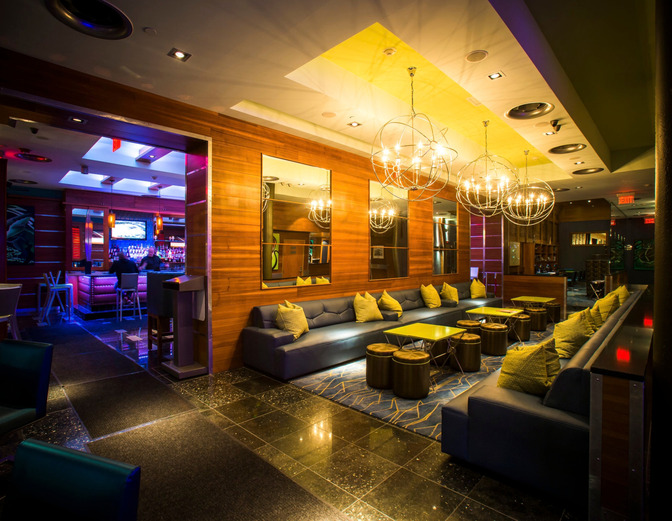
Lighting plays a major role in shaping how guests experience hospitality spaces. From creating a welcoming first impression to setting the right atmosphere throughout the day, thoughtful lighting design can influence how a space looks, feels, and functions. In this blog, we'll explore how layering, color temperature, controls, focal points, and other lighting choices can work together to create a comfortable and memorable guest experience.
Setting the Scene: Why Lighting Matters in Hospitality
The ultimate goal in hospitality settings is to maximize guest experience and comfort. A space can beautifully arranged, but without the correct lighting, the design may not have the intended impact. The big three factors to take into account are:
-
Time: At night, lighting is typically dimmer and more concentrated on certain areas that you want lit. Warm, yellow-toned lighting works great for restaurants at night. Color lighting can create an exciting and dynamic vibe at night. However, during the day, lighting that complements natural sunlight is preferable.
-
Setting: A hotel's lobby check in desk area is going to need different lighting than the hotel restaurant. A check in desk should be well-lit, where guests can clearly see any written information in front of them. However, when they get to the hotel bar that's where lighting can be dimmer to create a more comfortable and relaxed feeling.
-
Experience: Do you want your guests to feel energized? Relaxed? Entertained? Answering this question will help you determine which type of lighting you should choose.
The goal is for the space to not only be well-lit, but also inviting and attuned to the guest experience.
Creating Depth Through Layers of Light
When working with hospitality settings, there are often multiple focal points where lighting needs to be concentrated, while at the same time, other lighting is needed to set the mood of the space. One fixture won't satisfy these needs. By using multiple fixtures with different placements, dimming levels, and purposes, layers of light can be created to achieve the right balance. Decorative lighting can be the main visual light source, while small light sources can be used to illuminate tables and other surfaces.
Think about a standard dining table with a chandelier hanging above it. If the chandelier is the only source of light, it may need to be brighter than desired to adequately illuminate the table. But in a high-end restaurant, that level of brightness can take away from the intimate atmosphere.
Instead, lighting designers can create layers of light. The chandelier can be dimmed to provide the desired ambiance, while small, discreet recessed fixtures direct additional light onto the table. Guests may not even notice these additional sources, but they provide enough functional light to see the table clearly without making the overall space feel too bright.
It’s this combination of visible and subtle light sources that creates depth and helps elevate the experience.

Guiding the Guest Experience with Lighting
When a guest first enters a hospitality space, lighting can have an immediate impact on how they perceive it. A hotel lobby, for example, could feature beautiful architecture, furniture, and finishes, but if everything is illuminated at the same brightness, the space can appear flat. Without variation in light levels, there is nothing directing the eye toward the elements that were designed to stand out. Strategic lighting creates a visual hierarchy within the space.
By increasing or decreasing intensity and focusing light on specific areas, designers can naturally draw attention to architectural features, artwork, decor, or other elements that contribute to the overall experience. In a hotel, this could mean highlighting a statement piece as guests enter, illuminating the front desk, or drawing attention toward a fireplace, bar, or lounge area.
Lighting can also serve a practical purpose by helping with wayfinding. Instead of guests walking into a large lobby and having to search for where they need to go, lighting can subtly direct them. A brighter or more intentionally illuminated check in desk naturally attracts attention, helping guests understand where to go without having to consciously think about it.
This balance between aesthetics and function is especially important in hospitality design. The goal isn't necessarily for guests to notice the lighting itself, but for the lighting to make the space feel comfortable, intuitive, and thoughtfully designed. When focal points and light levels are planned intentionally, guests can more easily navigate the space while experiencing the atmosphere the designer intended.
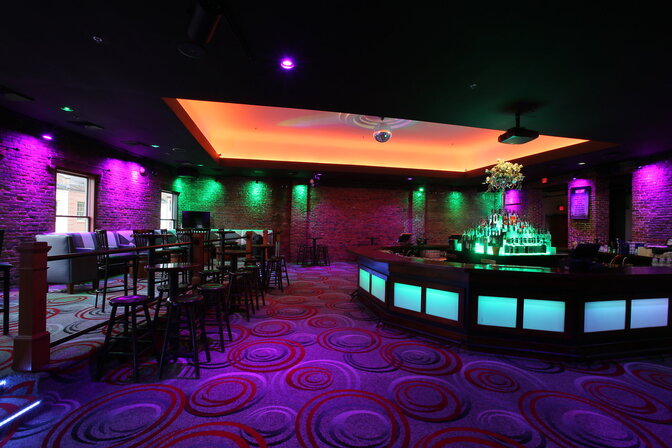
Color Temperature, Controls & Time of Day
The atmosphere a hospitality space needs at 6:00 in the morning can be very different from what guests expect at 6:00 at night. Color temperature, brightness, and lighting controls can work together to adjust the environment throughout the day and create an atmosphere that fits how the space is being used.
People naturally gravitate toward warmer light, particularly in the evening. Color temperatures around 2200K to 2700K can create a warmer, more intimate atmosphere, while brighter or somewhat cooler lighting may be better suited for daytime activity. However, the goal isn't necessarily to replicate the color temperature of the outdoors. Natural daylight can appear very bright and cool when brought inside, which may feel too harsh for a hospitality environment. This is where lighting controls become especially important. A space can start with warmer lighting in the morning, transition to brighter lighting throughout the afternoon, and gradually become warmer and dimmer again in the evening. Some hospitality spaces use this approach to more closely follow the natural progression of light over the course of the day.
Ideally, these transitions should happen so smoothly that guests don't actively notice them. Rather than suddenly switching from one lighting scene to another, changes in color and intensity can happen gradually over several minutes. Guests may notice that the room feels different without realizing exactly when the lighting changed.
By combining the right color temperatures with thoughtful lighting controls, hospitality spaces can create an environment that feels appropriate and inviting throughout the entire day.
Designing Lighting for Different Hospitality Spaces
Not all hospitality spaces are created equal. This means that a lighting scene that works for one room won't necessarily have the same effect in another. Whether you're talking lobbies, restaurants, bars, lounges, etc., each serves a different purpose, and the lighting should reflect that purpose. Here is a breakdown of what the lighting can look like in various common hospitality spaces:
-
Lobbies: The lighting needs to be bright enough to feel safe and welcome, with focus around check in and key amenities.
- Restaurants: Lighting should be layered and more intimate, with soft yellow hues.
- Bars & Lounges: Warmer, dimmer lighting can encourage guests to stay and socialize while creating a comfortable atmosphere.
- Guest Rooms: Lighting should feel warm and comfortable and is generally less bright, with focal lighting near beds, mirrors, and entrances.
- Modern / Boutique Hotels: Presets and room controls can allow guests to personalize their lighting experience
Why PORT?
At PORT Lighting, we understand that hospitality lighting needs to balance aesthetics, functionality, and the overall guest experience. Our knowledgeable team works with clients to develop lighting solutions that complement the design of the space while creating the right atmosphere for how it will be used.
From architectural lighting design and fixture selection to lighting controls, programming, and installation, PORT can help bring each part of the lighting system together. Whether it's a hotel, restaurant, bar, lounge, or another hospitality environment, our goal is to create a lighting system that looks great, functions seamlessly, and can adapt to the needs of the space throughout the day.
- Lighting Production Services
- Technical Production Management
- Production Design
- Corporate Production Management
No Comments Yet
Let us know what you think